

Two Degrees. One Analytical Framework.
A law degree trains the argument. Forensic psychology maps the minds that receive it. Mary Mac holds both — and consults from that intersection.
About Mary Mac
Mary Mac integrates a Master of Science in Forensic Psychology with an extensive legal background to deliver clinical rigor in behavioral health. She is not a typical graduate; she brings over six years of experience in high-stakes professional reporting, structured interviewing, and behavioral analysis.
Specialized in pediatric stabilization and trauma-informed care , Mary combines graduate-level training in behavioral observation with practical experience in early childhood support. Her expertise bridges the gap between meticulous documentation and empathetic, relationship-based care.
Currently based in Tiffin, Ohio, and authorized for U.S. work (OPT) , she is prepared to join multidisciplinary teams as a Behavioral Health Specialist. Her objective is to apply analytical rigor and crisis prevention concepts to support inpatient psychiatric treatment and patient safety.
Core Professional Competencies:
Clinical Skills: Behavioral Pattern Recognition, Intake Assessments, and Treatment Planning.
Crisis Management: De-escalation Support, Situational Awareness, and Environmental Safety.
Legal & Ethical Foundation: Advanced Reporting, Confidentiality Management, and Cultural Competence.
Multilingual Engagement: Fluent in English, Hindi, Gujarati, and Learning Spanish.
50+
6+
Years of experience
Trails Managed
2
Comprehensive Degrees
Academic Record
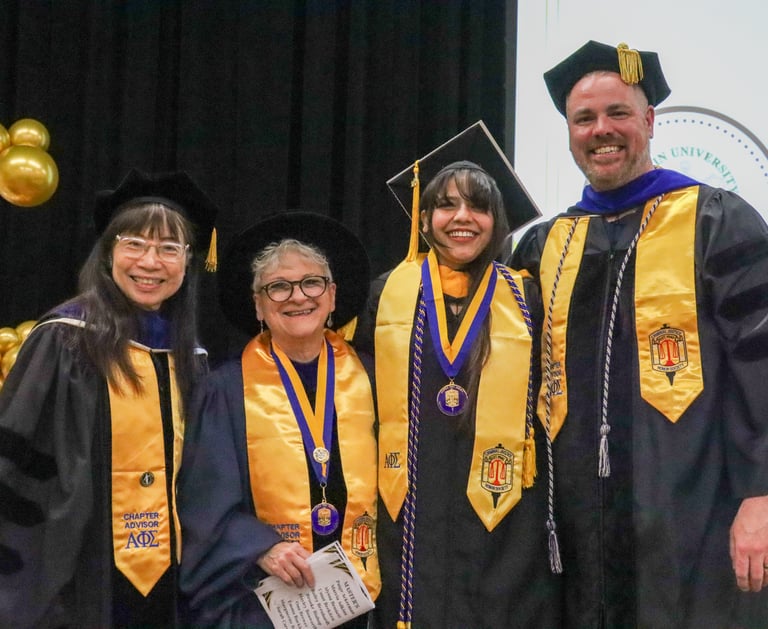
M.S. Criminal Justice – Forensic Psychology. Tiffin University, Ohio.
BA LL.B. (Hons.) — Five-Year Integrated Law Program. Gujarat, India.
Legal Practice — High Court of Gujarat. Litigation context, procedural law, argument architecture.
Law read. Behavior mapped.
Most consultants arrive from one side of the table. Mary Mac trained in both. Her law degree built the procedural architecture — statutes, evidence rules, courtroom process.
Her forensic psychology master's added the behavioral layer: how jurors process threat and credibility, where witness testimony fractures, how evidence framing alters outcomes.
High Court practice at Gujarat meant reading litigation in real time — not as a theory, but as a sequence of decisions under pressure. That context is what separates credibility mapping from academic speculation.
A legally sound argument can still fail — if it contradicts how minds actually process evidence.
Juror behavior follows observable patterns. Credibility maps onto specific cognitive signals. Mary Mac's work begins where legal training ends — at the boundary between statute and psychology.
Bring behavioral precision to your case strategy.
Attorneys preparing for high-stakes litigation can engage Mary Mac for jury behavior analysis, witness credibility assessment, and evidence framing review.